


01
Jaw relaxes back
As your lower jaw relaxes back, the airway can narrow.
DIFINEY 4.0 · HALLOWEEN EVENT
Difiney 4.0 adjusts to you. It guides your jaw forward to keep your airway open. Built To Silence SNORING
Halloween gift applies to eligible 2- and 3-device bundles. Bundle guarantee duration varies by selection. Savings compare the regular mouthpiece price plus the cleaner’s listed value. Offer ends November 1, 2026.

Customized
to your bite

Precision Adjustable

Physician-
recommended

FDA
Cleared

BPA
Free
HOW IT WORKS
If nasal strips, mouth tape, or a different pillow haven’t changed much, it’s not you. They don’t target the root behind snoring: soft tissue vibrating in your throat as the airway narrows.
If nasal strips, mouth tape, or a different pillow haven’t changed much, it’s not you. They don’t target the root mechanics behind snoring: soft tissue vibrating in your throat as the airway narrows.
As your lower jaw relaxes back during sleep, the airway can become narrower and soft tissue can begin to vibrate. That vibration is the sound you hear as snoring.
DIFINEY 4.0 gently holds your lower jaw forward, helping create more room for airflow and reduce the vibration behind the noise. Instead of simply working around snoring, it addresses the mechanics behind it.
As your lower jaw relaxes back, the airway can narrow.
Soft tissue can start to vibrate.
That vibration is the sound you hear as snoring.
Creates more room for airflow and helps reduce that vibration.
Instead of working around snoring, it addresses the mechanics behind it.
CUSTOM FIT
At-home fitting in minutes. No clinic visit, no tools, no special equipment.
All you need is hot water and a few minutes. If the first fit doesn’t feel right, simply reheat and remold it up to 3 times.
Remold up to 3×
Your first fit doesn’t have to be perfect.
PERSONALIZED FIT
Custom fit for comfort that lasts through the night.
The material molds around your own teeth for a closer, more secure fit, helping reduce shifting or loosening while you sleep.
reported a more comfortable and secure fit*
Compared with an unmolded mouthpiece.
*Based on an internal customer survey comparing molded vs. unmolded mouthpieces. Individual results may vary.
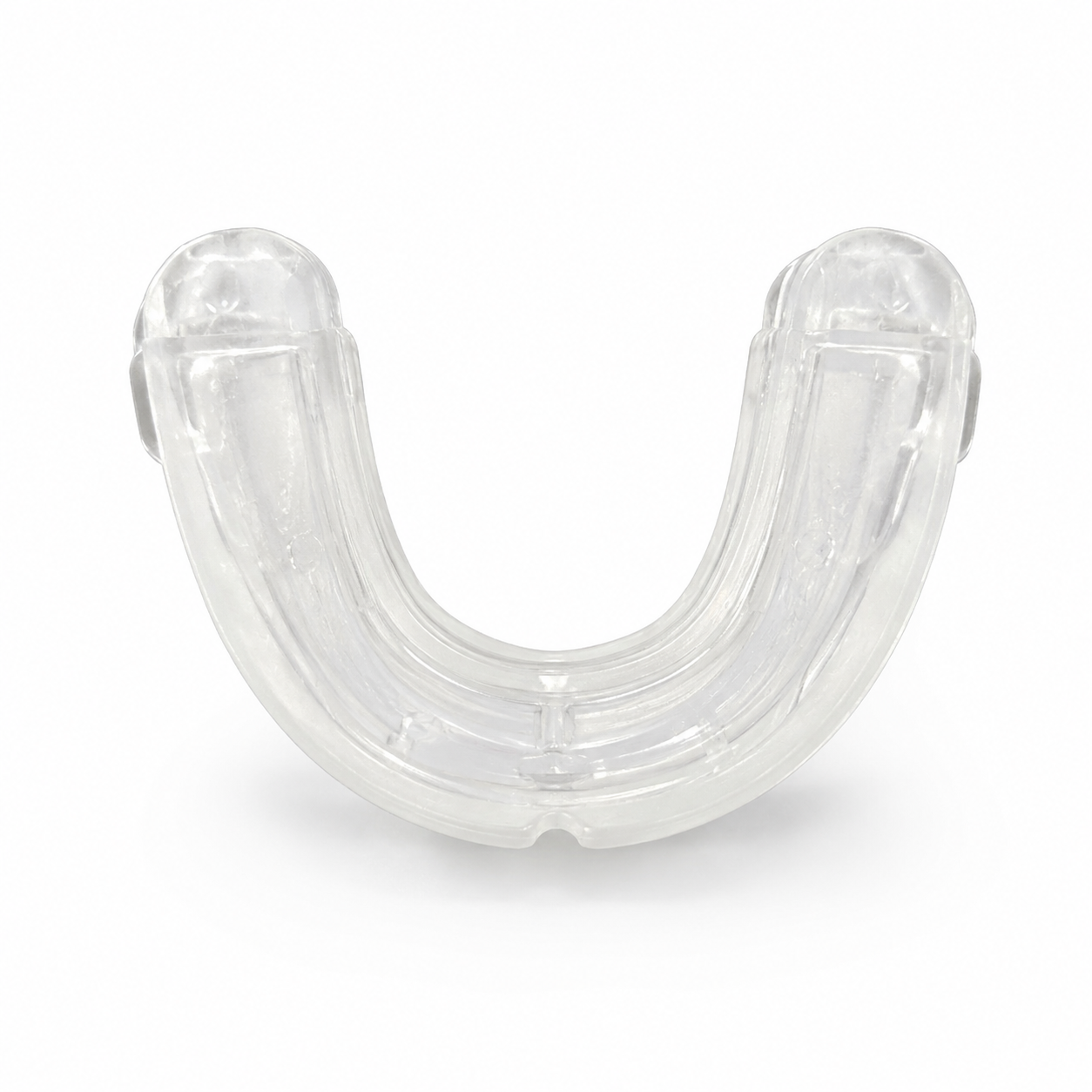
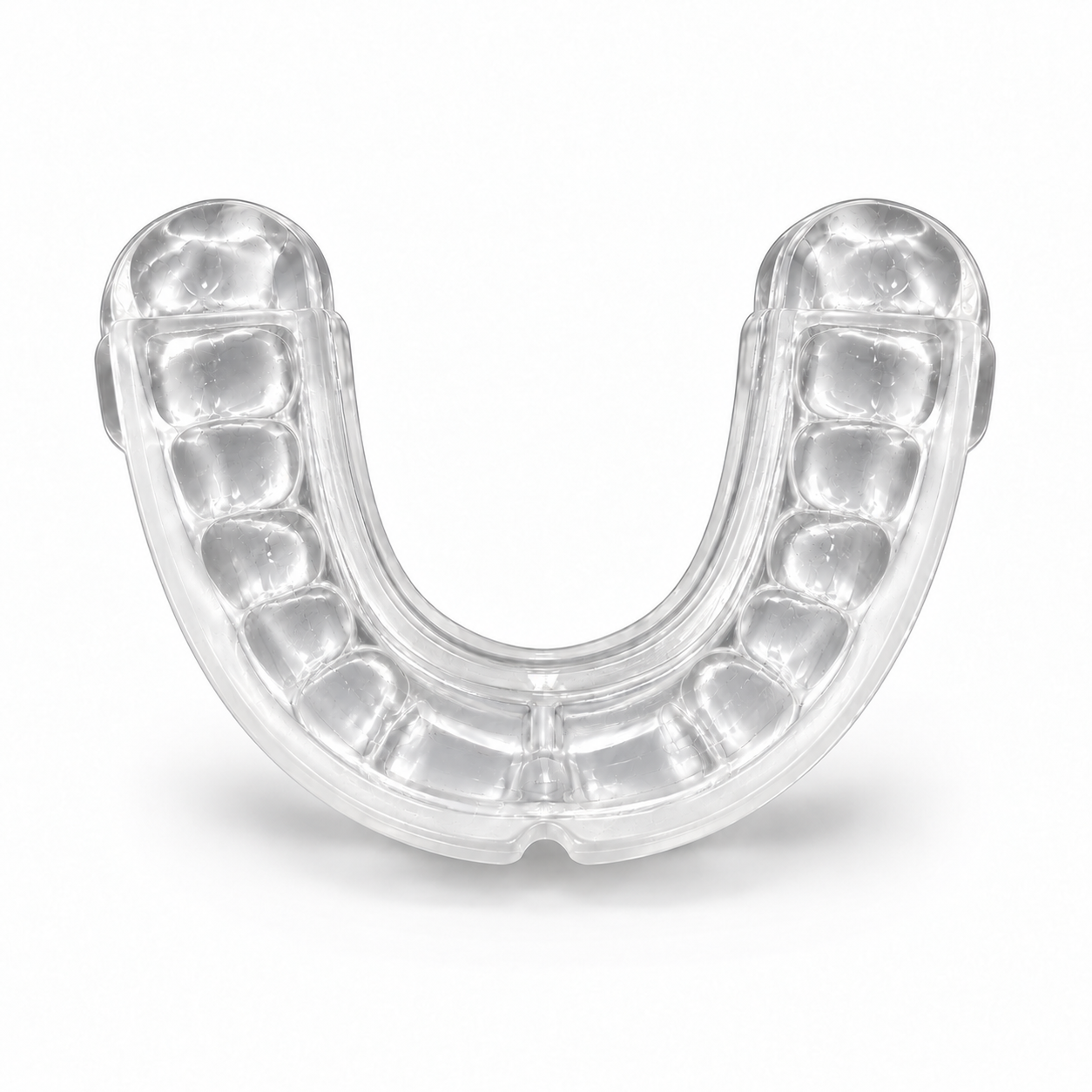
Drag to compare
ADJUSTABLE FIT
More adjustment doesn’t mean pushing your jaw farther. It gives you more control to find the setting that balances advancement and comfort.
Begin low and give your jaw time to adjust. Increase only every 2–3 nights if needed.
Clinically endorsed
Difiney 4.0
Nasal Strips
Non-molded Mouthpieces
CPAP
Other Mouthpieces

Join 200,000+ users who are sleeping deeper and living better with Difiney.
Free U.S. Shipping · 90-Day Free Returns & Exchanges
Real stories from customers who found quieter, more comfortable sleep.


Fit, Adjustment, Results, Shipping & More.
Both DIFINEY 2.0 and DIFINEY 4.0 use a boil-and-bite process to create a custom fit. The main differences are their profile, adjustment rail, adjustment range and molding material.
Profile: DIFINEY 4.0 has a more compact shape without the protruding side section of the original 2.0 design, giving it a less bulky profile.
Adjustment rail: DIFINEY 4.0 uses a redesigned rail for smoother sliding when adjusting the jaw position. DIFINEY 2.0 uses the original rail design.
Adjustment range: DIFINEY 2.0 adjusts from 1–4 mm, while DIFINEY 4.0 adjusts from 1–6 mm. The 4.0 range extends 2 mm further, giving you more room to personalize your setting.
Molding material: DIFINEY 4.0 uses an upgraded heat-moldable material designed to fit more closely to your teeth and bite. DIFINEY 2.0 uses the original molding material.
Both models require molding to your teeth. Follow the fitting and adjustment instructions for the model you choose.
They can, depending on what is causing the snoring. Mandibular advancement mouthpieces hold the lower jaw slightly forward while you sleep. That can create more room in the upper airway and reduce the tissue vibration that makes the snoring sound. Oral appliances are an established option for adult primary snoring, but no single solution works for every type of snoring.
Learn more about oral appliance therapy from the AASM/AADSMWhen you fall asleep, the muscles around your tongue and throat relax. In some people, that makes the airway narrower. Holding the lower jaw slightly forward can create more space behind the tongue, so air moves through with less turbulence and less soft-tissue vibration. That is the basic idea behind mandibular advancement devices such as DIFINEY.
See how the FDA describes intraoral anti-snoring devicesNo. Plenty of people snore without having sleep apnea. But loud, frequent snoring can also be a sign of obstructive sleep apnea, especially if it comes with breathing pauses, gasping or choking, morning headaches, or strong daytime sleepiness. If you notice those signs, it is worth getting checked by a healthcare professional.
Read Mayo Clinic’s guide to snoring and sleep apnea warning signsNo. DIFINEY 4.0 is designed to help reduce snoring. It is not intended to diagnose, treat, or cure sleep apnea. If you think you may have obstructive sleep apnea, get evaluated rather than assuming an over-the-counter snoring mouthpiece is enough. Oral appliances can be used clinically for some people with diagnosed OSA, but that is a separate treatment pathway with professional diagnosis and follow-up.
See the AASM/AADSM guideline on oral appliance therapyFirst, check the fit and make sure the device is sitting securely. Then give your current adjustment a few nights if it still feels comfortable. If snoring continues, you can increase the advancement gradually according to the adjustment guide. Do not jump straight to the maximum setting. Congestion, alcohol, sleep position, weight changes, and other airway factors can also affect snoring. If snoring stays loud or comes with breathing pauses or gasping, talk with a healthcare professional.
Start with the lowest comfortable setting. More advancement is not automatically better. The goal is to find the smallest amount of forward movement that helps reduce your snoring while still feeling comfortable enough to wear through the night. DIFINEY 4.0 gives you a 1–6 mm adjustment range so you can work up gradually instead of being locked into one position.
Give each setting a few nights if it feels comfortable. If you are still snoring and your jaw is adapting well, move forward gradually according to the guide. If jaw or tooth soreness is increasing, back off instead of pushing farther. The goal is not to reach 6 mm — it is to find the lowest comfortable setting that helps.
It should feel secure, but not painfully tight. The mouthpiece should not easily slip off your teeth, create sharp pressure points, feel obviously uneven, or make breathing feel restricted. If it feels loose or uncomfortable after molding, it is better to remold it than try to sleep through a bad fit.
That is okay. DIFINEY 4.0 can be reheated and remolded up to three times. If the first fit feels loose, uneven, or uncomfortable, follow the fitting steps again rather than forcing yourself to use it. Be careful not to overheat the device, and follow the temperature and timing instructions each time.
Check the mold first. A boil-and-bite mouthpiece needs enough retention to stay seated on your teeth during normal sleep. If it keeps slipping out, remold it carefully before changing the jaw setting. Do not use extra advancement just to make the device feel tighter. If you still cannot get a secure, comfortable fit, contact support.
It can feel unfamiliar at first because your jaw is being held in a new position. Many people need a few nights to get used to the fit and find the setting that feels right. Start conservatively and give your mouth and jaw time to adjust. Mild unfamiliarity is one thing; ongoing or increasing pain is not something you should simply push through.
A little temporary soreness can happen while your jaw gets used to a new position. Oral appliances can also cause tooth or gum soreness in some users. What you should not ignore is strong pain, pain that keeps getting worse, or pain that does not settle after you remove the device. If that happens, stop using it and speak with a dentist or healthcare professional before trying again.
See FDA information on oral-device risksMany users can still breathe through their mouth while wearing DIFINEY. The device is designed to reposition the lower jaw, not seal the mouth shut. If breathing feels restricted, uncomfortable, or different in a way that concerns you, remove the device and do not keep using it just to 'get used to it.'
DIFINEY is not recommended with braces or full dentures. If you have crowns, implants, bridges, missing teeth, loose teeth, recent dental work, or partial dental appliances, the answer depends on how stable your teeth and dental work are. Check with your dentist before molding the device if you are unsure.
U.S. shipping is free. Orders typically ship from our St. Louis warehouse within 1–2 business days and arrive within 3–5 business days after shipping. Tracking is provided once your order is on the way.
Yes. The 90-day trial is there so you can actually fit and try DIFINEY at home. If it is not right for you, you can request a return or exchange within the trial period. Follow the current return instructions on the site or contact support so the team can help with the next step.
Contact DIFINEY support with your order number and a photo or video of the issue if possible. Eligible manufacturing defects, molding issues, device failure under normal use, or items damaged on arrival may qualify for a replacement under the current warranty terms.